
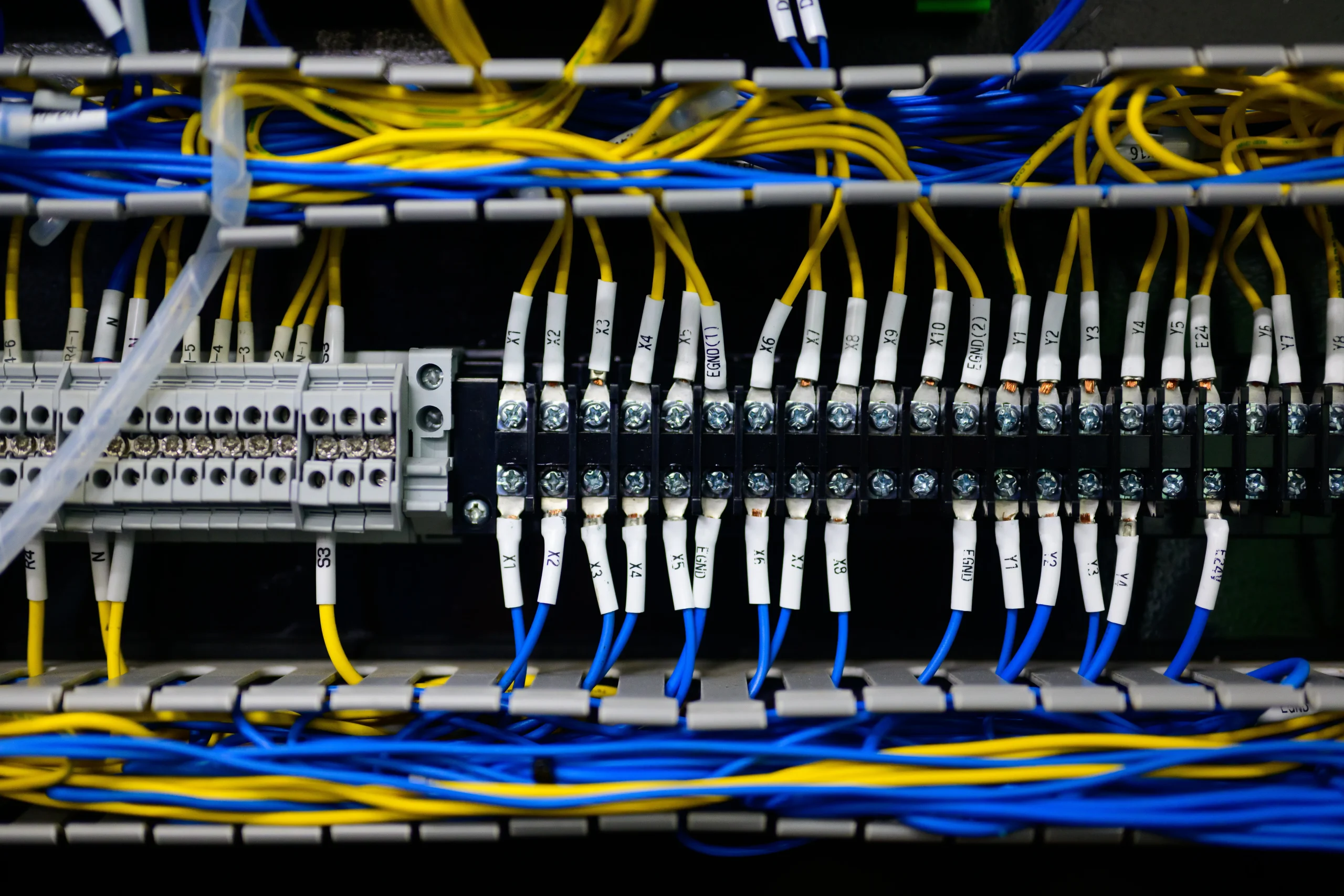
Your home’s electrical panel is the hub that distributes power to every circuit in the house, and as homes take on more appliances, EV chargers, and smart devices, older panels often can’t keep up. Understanding when a panel upgrade is necessary, and what the process involves, helps Portland-area homeowners make informed decisions about their home’s electrical safety, rather than waiting until something fails unexpectedly.
Why Your Electrical Panel Matters More Than You Think
It’s easy to overlook the panel itself, tucked away in a garage, basement, or utility closet, doing its job quietly in the background. But every circuit in your home, from your kitchen outlets to your HVAC system, routes back through that panel. When it’s undersized, outdated, or wearing down, it doesn’t just cause inconvenient breaker trips, it becomes a genuine point of failure that affects your entire home’s electrical safety.
Signs You Need an Electrical Panel Upgrade
- Your panel is more than 20 years old
- Breakers trip frequently, even under normal use
- Flickering or dimming lights when appliances turn on
- A panel that still uses fuses instead of breakers
- Adding an EV charger, hot tub, or major appliance isn’t possible with current capacity
- Visible signs of wear, like rust, scorch marks, or a warm panel cover
- A persistent burning smell near the panel, which should be treated as an emergency
If any of these sound familiar, it’s worth having a licensed electrician evaluate your panel before a manageable issue becomes a real safety concern. Many homeowners wait until a breaker won’t reset at all before calling, but by that point, the underlying issue has often been building for months or years.
Why Older Panels Struggle With Modern Homes
Homes built decades ago were wired for a very different electrical load than what’s common today. Between EV chargers, central air conditioning, and an increasing number of household electronics, older 60-100 amp panels frequently can’t handle the demand modern households place on them. This isn’t just an inconvenience, an overloaded panel is a genuine fire risk. Circuit breakers are designed to trip before wiring overheats, but a panel that’s constantly at or near capacity puts unnecessary strain on every component inside it, accelerating wear on breakers, bus bars, and connections.
Panel Upgrade vs. Panel Repair
Not every electrical panel issue requires a full replacement. A single faulty breaker can often be repaired or replaced individually, and issues like a loose connection or a specific tripped circuit don’t necessarily mean the whole panel needs to go. But if the panel itself is outdated, undersized, or showing multiple signs of wear, a full breaker panel upgrade is typically the safer, more cost-effective long-term solution rather than repeated individual repairs that only address one symptom at a time.
A licensed electrician can help you understand which situation you’re in: an isolated circuit breaker repair, or a panel that’s reached the end of its practical service life.
How Panel Capacity Affects Your Home
Electrical panels are rated by amperage, typically 100, 150, or 200 amps for residential homes. Larger, newer homes, or those with EV chargers and multiple major appliances, generally benefit from a 200-amp panel, giving enough capacity for current needs and future additions without requiring another upgrade down the line. Smaller homes with more modest electrical demands may do fine with a 150-amp panel, though it’s worth planning for future needs, like an EV charger or a home addition, rather than sizing strictly for today’s usage.
What to Expect During a Panel Upgrade
- Assessment — A licensed electrician evaluates your current panel, home size, and electrical demands, including any planned future additions like EV charging or a home addition.
- Permitting — Panel upgrades typically require a permit and inspection to ensure code compliance, which your electrician will handle as part of the project.
- Power Shutoff — Power is safely disconnected before work begins, typically coordinated with the utility company if a service disconnect is required.
- Installation — The old panel is removed and a new, properly sized panel is installed and wired, with each circuit carefully labeled and reconnected.
- Inspection & Testing — The new panel is tested and inspected to confirm safe, code-compliant operation before the job is considered complete.
Planning Ahead: What to Consider Before Upgrading
If you’re already planning a panel upgrade, it’s worth thinking beyond your immediate needs. Are you considering an EV purchase in the next few years? Planning a home addition or a finished basement? A slightly larger panel now can save you the cost and disruption of another upgrade down the line. This is a conversation worth having with your electrician during the initial assessment, since sizing a panel correctly the first time is far more cost-effective than upsizing again later.
Frequently Asked Questions
How much does an electrical panel upgrade typically cost? Cost depends on your home’s size, current panel condition, and the new panel’s capacity. A licensed electrician can provide an accurate estimate after assessing your specific situation.
How long does a panel upgrade take? Most residential panel upgrades are completed within a day, though scheduling around permitting and inspection can add to the overall timeline.
Will I be without power during the upgrade? Yes, power is shut off during the installation itself, though this is typically limited to a portion of the work day.
Do I need a permit for an electrical panel upgrade? Yes, in most areas panel upgrades require a permit and inspection to ensure the work meets current electrical code.
Can I add an EV charger without upgrading my panel? It depends on your panel’s existing capacity. A licensed electrician can determine whether your current panel supports a dedicated EV charging circuit or whether an upgrade is needed first.
What amperage panel do I need for my home? Most modern homes benefit from at least a 150 to 200-amp panel, particularly if you have or plan to add an EV charger, hot tub, or other major electrical load.
Is it safe to keep using a panel that still has fuses? Fuse-based panels are considered outdated by current standards and often can’t safely support modern electrical demands. Upgrading to a breaker panel is generally recommended.
Final Thoughts
An outdated or overloaded electrical panel isn’t just an inconvenience, it’s a real safety concern that tends to get more pressing as a home’s electrical demands grow. Understanding the warning signs and knowing when to call a licensed electrician helps you address the issue before it becomes a bigger problem, both for your home’s safety and your peace of mind.
Whether you need a straightforward panel repair or a full upgrade to support your home’s growing electrical needs, Dream House Electric is ready to help Portland-area homeowners with honest assessments and quality, code-compliant work from start to finish.